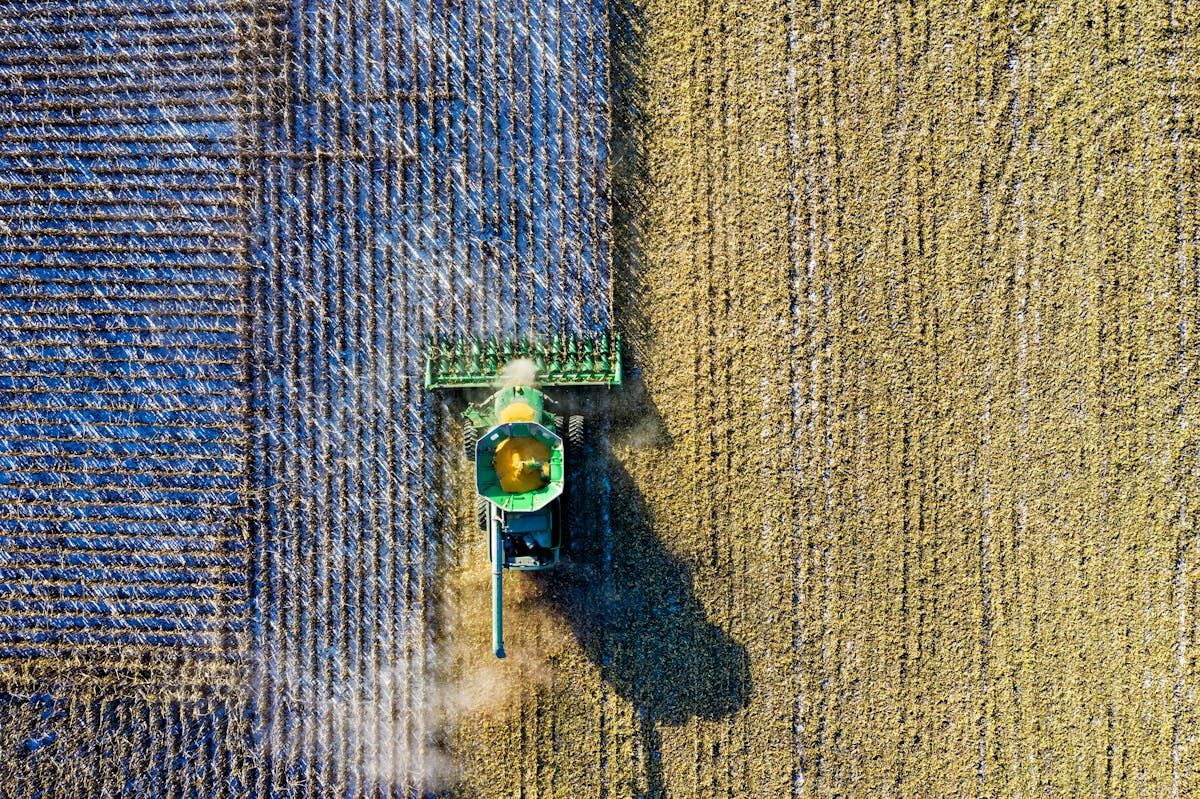
From our farm: Mawun Valley Farm is home to 6 mature cashew trees. During harvest season (August-December), we offer hands-on experiences including our popular Cashew Apple Jam Cooking Class.
Indonesia is among the world's top 10 cashew producers, with cultivation spanning from the dry hills of Lombok to the remote islands of Nusa Tenggara and beyond. This versatile tree has become an important part of rural Indonesian agriculture — and at Mawun Valley Farm, we're proud to be part of that tradition.
The History of Cashew in Indonesia
Cashew (Anacardium occidentale) isn't native to Indonesia. The tree originated in northeastern Brazil and was introduced to Asia by Portuguese traders in the 16th century.
Colonial Introduction
The Portuguese brought cashew to their trading posts in Goa, India, where it flourished. From there, the tree spread across Southeast Asia, arriving in the Indonesian archipelago by the early 1600s.
Why It Thrived
Cashew found ideal conditions in Indonesia:
- Climate match — tropical temperatures with distinct wet and dry seasons
- Suitable soils — thrives even in poor, sandy, or rocky ground
- Low maintenance — once established, needs minimal care
- Drought tolerance — perfect for drier regions like South Lombok
Modern Expansion
Commercial cashew cultivation in Indonesia expanded significantly in the 1970s and 1980s, particularly in:
- Sulawesi (still the largest producer)
- Nusa Tenggara (including Lombok, Sumbawa, Flores)
- East Java and Madura
- Parts of Sumatra
Indonesia's Cashew Growing Regions
Sulawesi: The Production Heartland
Sulawesi produces over 60% of Indonesia's cashew harvest. The southeastern peninsula, particularly around Kendari and Kolaka, has ideal conditions:
- Hot, dry climate during key growth periods
- Well-draining soils
- Established processing infrastructure
- Strong cooperative networks among farmers
Nusa Tenggara: Including Our Home
The islands of Nusa Tenggara Barat (NTB) and Nusa Tenggara Timur (NTT) form Indonesia's second-largest cashew region.
Lombok — Where Mawun Valley Farm is located. The southern hills around Kuta and Selong have scattered cashew cultivation, often on small family plots rather than large plantations.
Sumbawa — Larger-scale production with more commercial operations.
Flores and Sumba — Growing regions with potential for expansion.
East Java and Madura
The island of Madura and parts of East Java have significant cashew cultivation, often integrated with other dry-climate crops.
Bali
Smaller scale, but notable for organic and premium positioning. Balinese cashew products often command higher prices in specialty markets.
The Indonesian Cashew Season
Annual Cycle
Cashew trees follow a predictable cycle tied to Indonesia's monsoon patterns:
Dry Season (May-October):
- Trees flower and set fruit
- Less rain means better pollination
- Fruit develops over 2-3 months
Harvest Season (August-December):
- Main harvest: September-October
- Fruit falls naturally when ripe
- Peak activity for farmers and processors
Wet Season (January-April):
- Trees focus on vegetative growth
- New leaves and branches develop
- Preparation for next year's flowering
Best Time to Visit
If you want to experience cashew harvest at the farm:
- September-October: Peak season, most activity
- August and November: Shoulder season, still good
- December: Late harvest, more limited
Our cooking class runs throughout the harvest season, but early visits guarantee the best fruit selection.
How Indonesian Farmers Grow Cashew
Traditional Smallholder Approach
Most Indonesian cashew comes from small family farms rather than large plantations. A typical setup:
- 0.5 to 2 hectares of cashew trees
- Mixed with other crops (coconut, fruit trees, vegetables)
- 50-200 trees per farmer
- Family labor for harvesting and processing
This approach matches what we practice at Mawun Valley Farm — cashew trees integrated into a diverse permaculture system alongside vegetables, fruit trees, and livestock.
Growing Requirements
Climate:
- Ideal temperature: 20-30°C
- Annual rainfall: 1,000-2,000mm
- Distinct dry season (2-4 months) for proper flowering
Soil:
- Well-draining essential (waterlogging kills trees)
- Tolerates poor, sandy, rocky soils
- pH range: 5.5-7.5 (slightly acidic to neutral)
Spacing:
- Traditional: 8-10 meters between trees
- Modern intensive: 6-8 meters
- Allows air circulation and easier harvesting
Plantation Timeline
- Year 1-2: Young tree establishment, no fruit
- Year 3-4: First small harvest (1-2 kg per tree)
- Year 5-10: Increasing production (10-25 kg per tree)
- Year 10-25: Peak production (up to 30 kg per tree)
- Year 25+: Declining yields, eventual replacement
A well-maintained tree can produce for 30-40 years.
The Indonesian Cashew Industry
Production Numbers
Indonesia produces approximately 150,000-200,000 metric tons of raw cashew nuts annually, ranking among the top 10 global producers.
However, this understates the industry's significance:
- Provides income for over 500,000 farming families
- Supports thousands of processing jobs
- Growing export value, particularly to India and Vietnam for final processing
Processing Reality
Most Indonesian cashew is exported raw (unshelled) to India and Vietnam, where labor costs for the tedious shelling process are lower. Only a small percentage is processed domestically.
This creates an unfortunate situation: Indonesian farmers capture only a fraction of the final product value. A raw nut selling for $1/kg becomes $10+/kg once processed and packaged for retail.
The Cashew Apple Problem
As discussed in our article on cashew apple uses, the fruit (cashew apple) is almost entirely wasted in Indonesia:
- No significant juice or jam industry exists
- Most fruit rots in the fields
- Potential value lost: millions of dollars annually
This is exactly why we're passionate about our jam-making tradition — demonstrating that the fruit has real value.
Challenges Facing Indonesian Cashew Farmers
Price Volatility
Global cashew prices fluctuate dramatically based on:
- African harvests (major competitors)
- Processing capacity in Vietnam and India
- Currency exchange rates
- International demand shifts
Farmers often receive different prices year-to-year, making financial planning difficult.
Climate Impacts
Changing rainfall patterns are affecting production:
- Unseasonal rain during flowering reduces fruit set
- Extended droughts stress trees
- Increased pest pressure with changing temperatures
Aging Trees
Many cashew plots in Indonesia were planted 30-40 years ago. These aging trees produce less and need replacement, but replanting means 3-4 years without income from that land.
Market Access
Smallholders often lack:
- Direct connections to processors
- Information about fair prices
- Storage facilities for better timing
- Quality grading knowledge
Middlemen capture significant value that could go to farmers.
The Future of Indonesian Cashew
Opportunities
Domestic processing: Growing capacity to process cashew within Indonesia, capturing more value locally.
Premium markets: Organic and single-origin cashew products can command higher prices.
Cashew apple utilization: Untapped potential for juice, jam, vinegar, and other products.
Agrotourism: Farms like ours showing that cashew cultivation can attract visitors and educational experiences.
What's Needed
- Investment in processing facilities
- Farmer cooperatives for better bargaining power
- Research into improved varieties
- Training in quality control and organic practices
- Markets for cashew apple products
Experience Cashew Farming at Mawun Valley
Mawun Valley Farm offers visitors a chance to experience cashew cultivation firsthand:
Our Cashew Trees
We have 6 mature cashew trees scattered across the property, producing during the August-December season. They're integrated into our diverse permaculture system alongside vegetables, fruit trees, and animal areas.
What You Can Experience
Farm tours — See cashew trees up close, learn about cultivation, understand the full plant (not just the nut).
Harvest participation — During season, help collect fallen fruit and learn about processing.
Cashew Apple Jam Cooking Class — Our signature experience. Pick fruit from our trees, learn traditional jam-making, take home your creation.
Tasting — Try fresh cashew apple (seasonal) and our house-made jam at Noni's Cafe.
Why It Matters
Most visitors to Indonesia eat cashew nuts without ever seeing a cashew tree or understanding where they come from. We believe connecting people with the source of their food creates appreciation, reduces waste, and supports sustainable agriculture.
Plan Your Cashew Experience
Best timing: August-December for harvest season experiences
Cooking class: View Our Events
Questions? Message Us on WhatsApp
Related reading: What is Cashew Apple? | 5 Uses for Cashew Apple | Cashew Apple Jam Recipe | Complete Guide to Cashew Trees
Experience Mawun Valley
Book your stay and discover the magic for yourself.