Watch a child build something for the first time — a birdhouse, a clay pot, a simple meal. There's a moment when it clicks: I made this. This exists because of me. That moment teaches more than a hundred worksheets.
Hands-on learning isn't a "nice extra" or a break from real education. It's often where the deepest learning happens. And in an age where children increasingly live through screens, the ability to create physical things becomes both rare and valuable.
At Mawun Valley Farm, hands-on learning is central to what we do — especially in programs like Little Roots, where kids build, create, cook, and grow things weekly.
The Science Behind Hands-On Learning
Brain Development
When children work with their hands, something powerful happens in their brains:
Motor-cognitive integration: Hand movements activate areas of the brain involved in thinking, memory, and language. Learning to use tools literally builds neural pathways.
Proprioceptive feedback: The sense of position and movement in space — developed through physical activities — supports mathematical and spatial reasoning.
Executive function: Planning, sequencing, and completing projects develops the same brain areas that control impulse regulation and attention.
Research shows that children who regularly engage in hands-on activities often perform better academically than those who don't — even in subjects that seem unrelated to the activity.
Learning That Sticks
Information learned through doing is retained longer than information passively received:
The learning pyramid suggests:
- Lecture: 5% retention
- Reading: 10% retention
- Audio-visual: 20% retention
- Demonstration: 30% retention
- Discussion: 50% retention
- Practice/doing: 75% retention
- Teaching others: 90% retention
Hands-on learning puts children in the 75%+ zone. They're not just hearing about friction — they're feeling why the sandpaper matters.
Failure as Teacher
Hands-on activities include built-in failure — and that's the point:
The structure falls: Learn about stability and load The food burns: Learn about heat and timing The clay cracks: Learn about moisture and technique
These failures are immediate, non-threatening, and instructive. No red marks, no judgment — just cause and effect, clearly visible. Children who learn through hands-on failure develop resilience and problem-solving skills.
Types of Hands-On Learning
Building and Woodworking
There's something almost magical about woodworking for children:
What they learn:
- Measurement and precision (math in action)
- Planning and sequencing (executive function)
- Tool use and safety (responsibility)
- Cause and effect (physics by doing)
- Patience and persistence (project completion)
- Pride in tangible creation (self-efficacy)
At Little Roots: Woodworking is part of our monthly rotation. Kids make real things — birdhouses, boats, frames — using real tools with real supervision. They take home something they built with their own hands.
Simple projects to try:
- Bird feeders
- Picture frames
- Simple boats
- Wooden toys
- Plant markers
Crafts and Art
Creative work develops different but equally important skills:
What they learn:
- Fine motor control
- Color, form, and composition
- Self-expression
- Process over product
- Originality and creativity
- Cultural techniques (local crafts like weaving)
At the farm: We incorporate traditional Sasak crafts, wire sculpture, clay work, and seasonal projects. The emphasis is on process and creativity, not perfection.
Ideas:
- Natural material art (shells, leaves, sticks)
- Clay and sculpture
- Weaving and fiber arts
- Painting and drawing
- Collage and assemblage
Cooking and Food
The kitchen is a complete classroom:
What they learn:
- Reading (recipes)
- Math (measuring, fractions, multiplication)
- Science (chemistry of cooking, heat transfer)
- Cultural knowledge (food traditions)
- Nutrition awareness
- Practical life skills
- Delayed gratification (waiting for the oven)
At Mawun Valley Farm: Our cooking programs engage children in age-appropriate food preparation. From simple snacks to traditional dishes, kids connect with where food comes from.
Kitchen projects for kids:
- Simple baking (measuring practice)
- Salads and no-cook recipes (knife skills)
- Traditional local dishes
- Food from the garden (full cycle learning)
Growing and Nature
Gardening connects children to fundamental processes:
What they learn:
- Plant biology (seeds, growth, photosynthesis)
- Ecology (soil, water, insects, weather)
- Patience (things take time to grow)
- Responsibility (living things need care)
- Food systems (where dinner comes from)
- Cycles and seasons (nature's rhythms)
At the farm: Our gardens are learning environments. Children plant, water, observe, and harvest. They see the connection between seed and meal.
Starting points:
- Fast-growing seeds (beans, radishes)
- Container gardens (minimal space)
- Kitchen scraps growing (potatoes, onions)
- Composting (science + environmental awareness)
The Psychology of Making
The IKEA Effect
Research shows that people value things more when they've made them themselves — even if the quality is lower. This "IKEA effect" applies strongly to children.
When a child makes a wobbly birdhouse, it's not about the birdhouse's quality. It's about the child's relationship to their own capability. "I can build things."
Growth Mindset in Action
Hands-on activities naturally develop growth mindset:
- Fixed mindset: "I'm not good at art"
- Growth mindset: "My first clay pot cracked, but I learned why, and my second one held"
The iterative nature of making — try, fail, adjust, try again — teaches that ability develops through effort.
Intrinsic Motivation
Hands-on projects are inherently motivating:
- Autonomy: Some choice in what and how
- Mastery: Clear progress visible
- Purpose: Making something that exists or is useful
These three factors (autonomy, mastery, purpose) are the core drivers of intrinsic motivation according to researchers. Hands-on learning hits all three.
Screens vs. Making
What Screens Provide
Let's be fair — screens offer genuine value:
- Information access
- Certain types of skill practice
- Communication
- Entertainment
What Screens Cannot Provide
Physical feedback: You can't feel the grain of the wood through a screen Real consequences: Virtual failure doesn't teach like real failure Three-dimensional thinking: Screens are flat Genuine creation: Digital making is different from physical making Sensory integration: Screens engage two senses; making engages all of them
The Balance
The question isn't screens OR making. It's ensuring enough making that screens become one tool among many, not the default way of engaging with the world.
Children need to develop the ability to create in the physical world. This requires time and opportunity. If all free time goes to screens, making skills don't develop.
Hands-On Learning at Little Roots
Our weekly program was designed with hands-on learning as a core value:
Weekly Structure
Sports and games (every week):
- Physical skills
- Team coordination
- Outdoor activity
Rotating activities (one per week):
- Woodworking: Real tools, real projects, take home what you make
- Farm and nature: Animal care, planting, harvesting, exploring
- Creative crafts: Art, sculpture, cooking
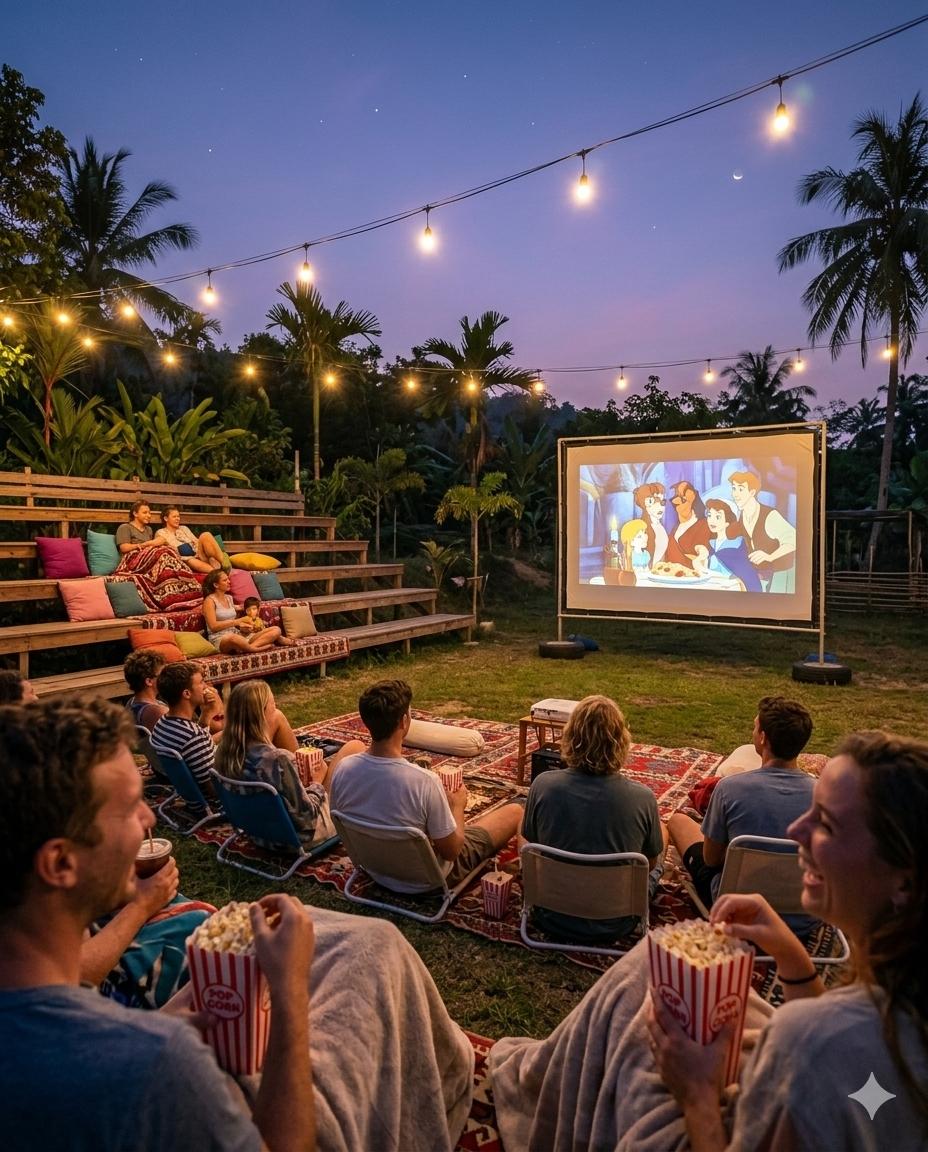
- Cinema day: Even "passive" viewing followed by discussion and creative response
The Philosophy
We believe children learn best when they:
- Work with their hands
- See tangible results
- Have real choices
- Experience natural consequences
- Connect with materials, not just screens
Ages 6-7 Specifically
This developmental stage is ideal for hands-on learning:
- Fine motor skills developing rapidly
- Pride in accomplishment emerging
- Real tools become accessible (with supervision)
- Attention span allows for projects
- Social learning through shared making
Learn more about Little Roots →
Implementing at Home
Start Simple
Don't renovate your house into a maker space. Start with:
- One regular craft time per week
- One cooking project per week
- Occasional building projects
- Garden if you have outdoor space
Follow Interests
If your child is drawn to:
- Animals: Care projects, animal-themed crafts
- Vehicles: Building, mechanics, models
- Food: Cooking, baking, growing
- Art: Open-ended creative projects
- Building: Construction, woodworking, engineering
Embrace Mess
Hands-on learning is messy. This is non-negotiable. Solutions:
- Designated making space
- Old clothes for projects
- Easy cleanup surfaces
- Accept that some mess remains
Value Process
Don't focus on the finished product:
- Comment on effort: "You worked hard on that"
- Notice problem-solving: "I saw you try three different ways"
- Ask about process: "What was hardest? What did you learn?"
- Display imperfect work proudly
Age-Appropriate Projects
Ages 4-5
- Playdough and clay (no specific outcome)
- Simple cooking (washing, mixing, decorating)
- Painting and drawing
- Nature collections
- Building with large blocks
- Planting seeds
Ages 6-7 (Little Roots age)
- Simple woodworking with supervision
- Real cooking with knife skills
- Weaving and fiber arts
- Garden responsibility
- Multi-step craft projects
- Building with various materials
Ages 8-10
- More complex woodworking
- Independent cooking projects
- Sewing basics
- Electronics kits
- Garden design
- Extended building projects
Ages 11+
- Power tools with training
- Complex cooking/baking
- Craft specialization
- Repair and maintenance skills
- Garden-to-table cooking
- Real construction projects
The Bigger Picture
What We're Preparing For
We don't know what skills tomorrow's adults will need. But some things seem certain:
Critical thinking: Understanding how things work Creativity: Generating original solutions Resilience: Recovering from failure Practical capability: Making and fixing things Physical competence: Bodies that work well
Hands-on learning develops all of these.
What We're Preserving
Previous generations grew up making things. They built, sewed, fixed, cooked, and grew. This knowledge is being lost as specialization and screens replace general capability.
Teaching children to work with their hands preserves something important — the understanding that humans can shape the physical world, not just consume what others have made.
What We're Creating
Children who regularly engage in hands-on learning develop:
- Confidence in their ability to figure things out
- Patience with processes that take time
- Pride in tangible accomplishment
- Respect for skilled craftsmanship
- Connection to physical materials
- Balance against digital overload
These aren't just nice qualities. They're foundations for capable, grounded adulthood.
Join Us
Little Roots at Mawun Valley Farm centers hands-on learning:
- Woodworking, crafts, cooking, gardening
- Every Wednesday, 9 AM - 12 PM
- Ages 6-7, same 6 children
- 3-month commitment for real skill development
Related: Little Roots Program | Screen-Free Activities | Outdoor Education
Experience Mawun Valley
Book your stay and discover the magic for yourself.