Sustainable Agriculture Programs in Indonesia: Learn Permaculture in Lombok
Textbooks teach you the theory of sustainable agriculture. But theory doesn't prepare you for the reality of tropical soil, monsoon seasons, or the specific challenges of growing food in equatorial climates. For that, you need to get your hands dirty.
Indonesia — with its incredible biodiversity, year-round growing conditions, and centuries of indigenous farming knowledge — offers one of the world's best classrooms for sustainable agriculture. And within Indonesia, working farms like Mawun Valley in Lombok provide immersive learning experiences that no university course can match.
This guide covers what you'll learn in Indonesian sustainable agriculture programs, why tropical permaculture knowledge matters globally, and how to turn farm-based learning into genuine expertise.
Why Study Sustainable Agriculture in Indonesia?
Before exploring specific programs, consider why Indonesia deserves serious attention from anyone interested in sustainable food systems.
Biodiversity Hotspot
Indonesia ranks as one of Earth's most biodiverse regions. The variety of cultivatable plants — fruits, vegetables, herbs, spices — exceeds most other countries. Learning to work with this diversity teaches principles applicable anywhere.
Year-Round Growing Season
Unlike temperate climates where agriculture pauses for winter, Indonesian farms produce continuously. This compresses learning — you see multiple planting and harvest cycles in months rather than years.
Indigenous Knowledge Systems
Indonesian farmers have cultivated these lands for millennia. Their traditional practices — subak rice irrigation in Bali, tumpangsari intercropping in Java, swidden systems in Borneo — represent sophisticated ecological knowledge. Western permaculture often rediscovers what these systems already knew.
Climate Relevance
As climate change pushes temperate regions toward tropical conditions, understanding tropical agriculture becomes globally relevant. What works in Indonesia today may inform sustainable farming in warming regions worldwide.
Affordable Immersion
Agricultural education programs in Western countries cost thousands. Indonesian farm stays offer comparable learning for a fraction of the price, enabling longer immersion and deeper understanding.
What You'll Learn at Mawun Valley Farm
At Mawun Valley Farm in South Lombok, participants join a working permaculture operation. The Grower track focuses specifically on sustainable agriculture, though all tracks involve some farm exposure.
Tropical Permaculture Principles
Permaculture — design systems based on natural ecosystem patterns — adapts differently in tropical vs. temperate climates. You'll learn:
Zone Planning in Small Spaces: How to organize intensive production from limited land using vertical layering, succession planting, and microclimate management.
Water Harvesting for Monsoon Climates: Techniques for capturing wet-season abundance and managing dry-season scarcity. Swales, berms, mulch basins, and tank systems.
Soil Building in Tropical Conditions: Tropical soils often lack organic matter due to rapid decomposition. Learn composting, cover cropping, and biochar techniques adapted to these conditions.
Pest Management Without Chemicals: Integrated pest management using companion planting, biological controls, and habitat design. When everything grows fast, so do pest populations.
Perennial Food Systems: Establishing food forests with layers of canopy, understory, shrubs, and groundcovers. The farm's 200+ fruit trees demonstrate these principles in practice.
Hands-On Skills
Theory becomes capability through daily practice:
Seed Saving and Propagation: Start plants from seed, take cuttings, divide root stocks. Understand what makes varieties worth preserving.
Composting Systems: Build and manage different composting approaches — hot compost, vermicompost, bokashi, pit composting. Compare results and applications.
Irrigation Design: Drip systems, gravity-fed distribution, rainwater integration. Fix problems when they inevitably occur.
Harvest and Post-Harvest Handling: Know when crops are ready, how to harvest without damage, and how to store or process for extended use.
Tool Maintenance: Sharpen, repair, and properly use hand tools. Respect for tools reflects respect for work.
Crop-Specific Knowledge
The farm grows dozens of species. You'll gain particular familiarity with:
Cashew Trees: Complete lifecycle from flowering through nut harvest, including the unique cashew apple (rarely seen outside growing regions).
Tropical Fruits: Papaya, mango, jackfruit, rambutan, passion fruit, dragonfruit — understanding individual needs and production cycles.
Vegetables: Kangkung (water spinach), terong (eggplant), various chili varieties, leafy greens adapted to tropical conditions.
Herbs and Spices: Lemongrass, galangal, turmeric, ginger — culinary plants that also serve pest-control and medicinal functions.
Nitrogen Fixers: Leguminous trees and crops that build soil fertility naturally. Understanding their role in system design.
Learning Through Seasons
Agricultural understanding deepens across time. Here's what different stay durations offer:
2-3 Weeks: Introduction
Sufficient to understand basic operations, participate in multiple activities, and grasp permaculture principles in action. You'll leave with vocabulary, context, and appreciation — but not expertise.
1-2 Months: Competence
Long enough to see planting-to-harvest cycles for quick crops. You'll make mistakes and learn from them. Specific skills become reliable. Relationships with staff and land deepen.
3+ Months: Proficiency
You'll experience seasonal transitions, contribute to design decisions, and potentially train newer participants. This duration transforms tourism into genuine capability.
Most agricultural students find 1-2 months optimal for meaningful learning that fits academic schedules.
How This Complements Formal Education
University agricultural programs provide essential foundations — biology, chemistry, economics, systems thinking. Farm immersion adds dimensions that classrooms cannot:
Embodied Knowledge
Your body learns alongside your mind. You develop intuition for plant health, soil moisture, weather patterns — knowledge that bypasses conscious analysis.
Failure Experience
Academic settings minimize failure. Farm settings normalize it. Understanding why plantings fail teaches more than successful harvests. Resilience grows alongside skills.
Cultural Context
Agricultural systems reflect the cultures that create them. Learning Indonesian farming means learning Indonesian approaches to land, labor, community, and nature. This cultural layer enriches technical understanding.
Network Development
Connections made on working farms persist differently than classroom acquaintances. Shared labor creates bonds that shared lectures don't.
Portfolio Evidence
Photos, journals, and documentation from farm work demonstrate applied capability. Graduate admissions and agricultural employers value evidence of hands-on experience.
A Typical Day in the Grower Track
Curiosity about daily rhythm? Here's what farm learning actually looks like:
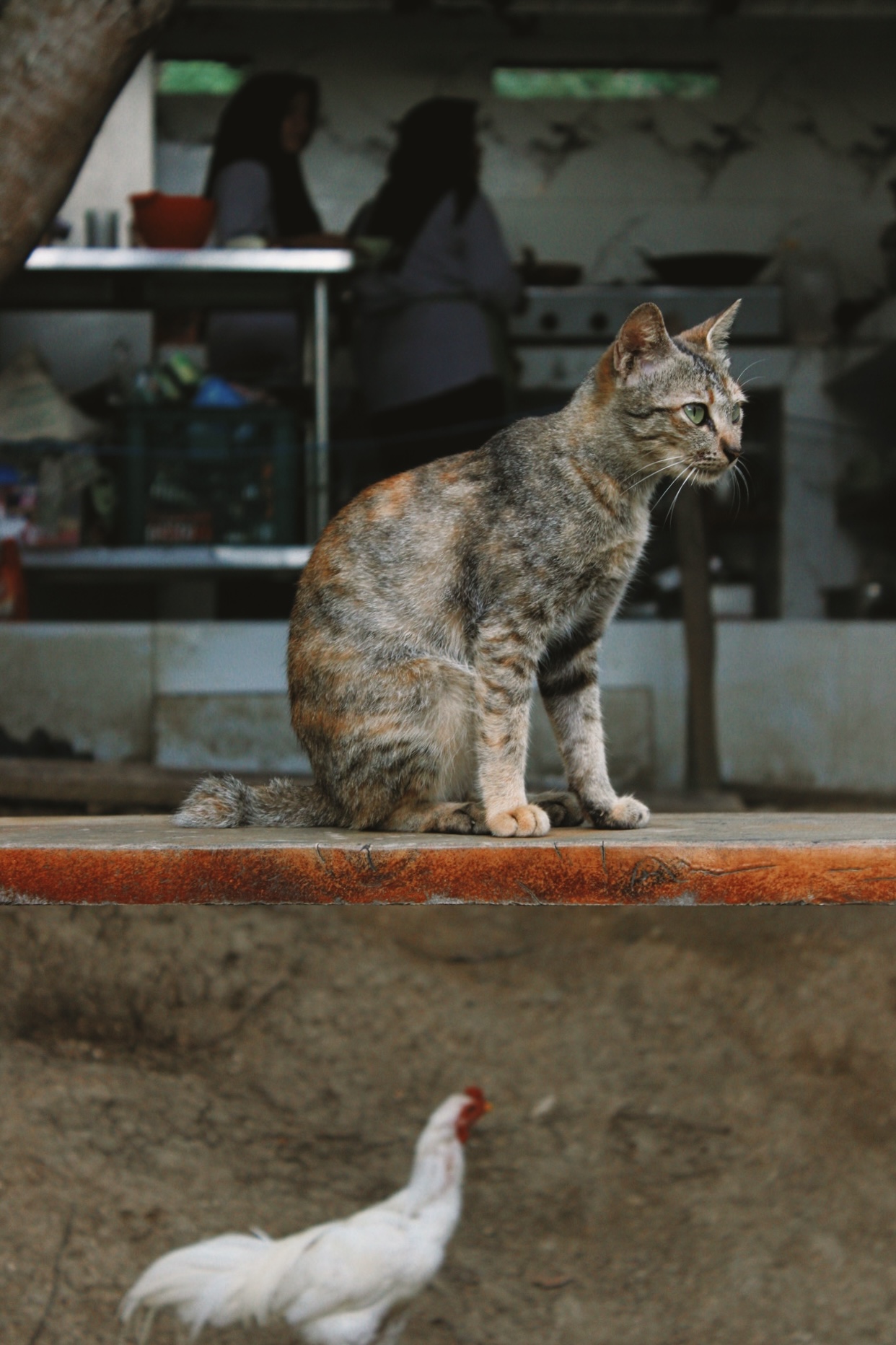
6:30 AM: Natural wake-up. Roosters assist. Morning light reveals overnight changes in the garden.
7:00 AM: Coffee on your cabin porch. Observation time — note plant changes, animal activity, weather signs.
7:30 AM: Breakfast at Noni's Farm Café with other participants.
8:30 AM: Morning garden session. This is prime working time before heat intensifies. Planting, weeding, harvesting, or project work depending on current needs.
12:00 PM: Lunch together. Conversation often covers morning observations, questions that arose, plans for afternoon.
2:00 PM: Rest during peak heat or light indoor activities — seed sorting, planning, reading.
4:00 PM: Second garden session as temperatures moderate. Watering systems run in evening when evaporation drops.
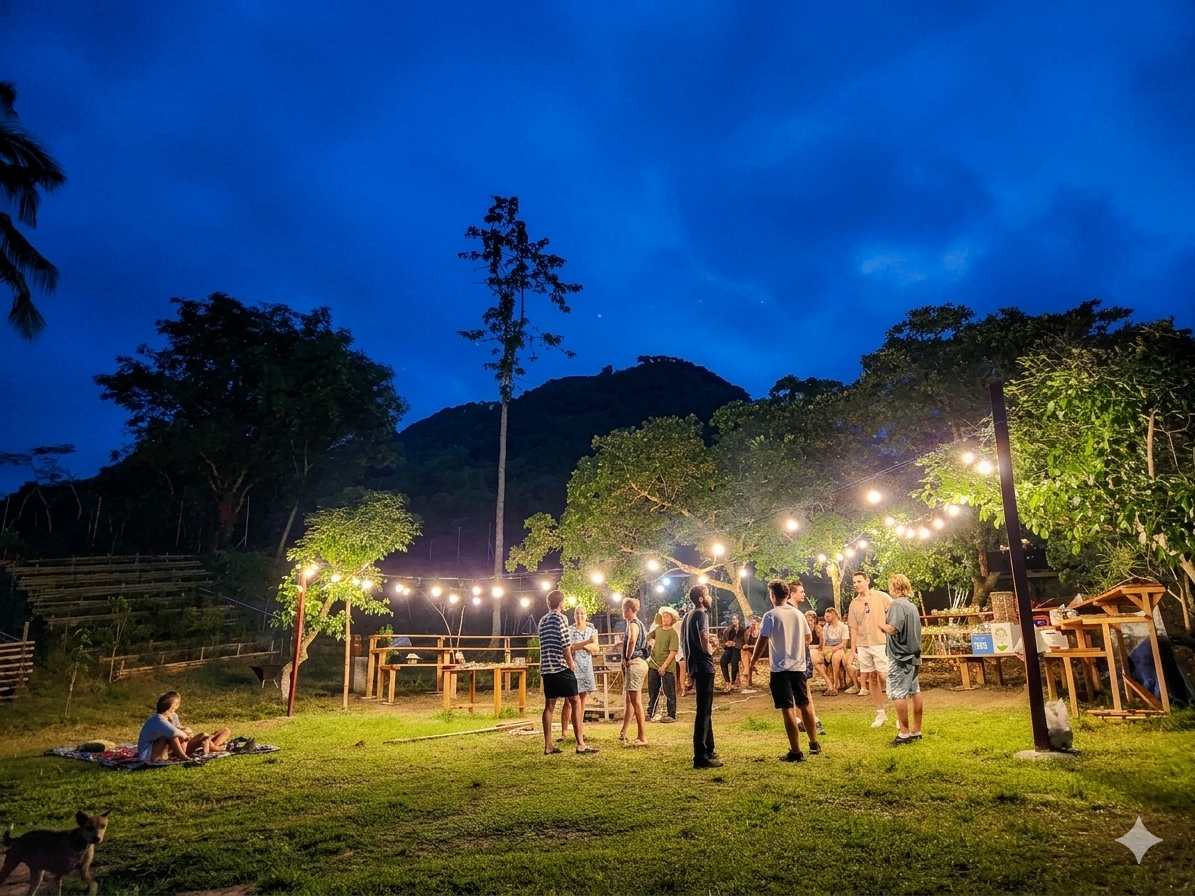
6:00 PM: Day concludes with sunset views. Free evening for personal exploration, community events, or rest.
This rhythm adapts to weather, energy levels, and project needs. Flexibility is inherent.
Connecting With Regional Agriculture
Mawun Valley Farm exists within a larger agricultural landscape. Learning opportunities extend beyond the property:
Local Markets
Visit Kuta Lombok's markets where farmers sell directly. See the diversity of regional production and understand what local food systems support.
Neighboring Farms
Connect with Indonesian farmers working adjacent lands. Their traditional knowledge and different approaches expand perspective.
Agricultural Excursions
Day trips to rice terraces, coffee plantations, or fisheries extend understanding beyond the home farm's focus areas.
Weaving Traditions
Lombok's famous weaving uses natural dyes derived from local plants. Understanding dye production connects textile arts with agricultural knowledge.
Cost Comparison: University vs. Farm Learning
Let's compare agricultural education pathways:
University Course (One Semester)
| Component | Typical Cost |
|---|---|
| Tuition | $5,000-15,000 |
| Housing | $3,000-8,000 |
| Food | $2,000-4,000 |
| Books/Materials | $500-1,000 |
| Total | $10,500-28,000 |
And you're still in a classroom, not a field.
Two-Month Farm Program
| Component | Cost |
|---|---|
| Program fee (€17/day × 60 days) | €1,020 |
| Dinners/extras | $300 |
| Flights (from Europe/US) | $600-1,200 |
| Total | $2,040-2,640 |
The farm option costs 75-90% less while providing hands-on experience the university option lacks entirely.
For Academic Credit
Many universities accept experiential learning for credit. To maximize recognition:
Document Everything: Keep daily journals, photograph projects, save seed packets and harvest records.
Define Learning Objectives: Before arriving, work with academic advisors to establish clear goals.
Request Verification: The farm can provide letters confirming participation, duration, and activities.
Produce Deliverables: Reports, photo essays, or project documentation demonstrate learning outcomes.
Check with your specific institution about credit transfer processes before enrolling.
Who Benefits Most from Farm Agriculture Programs
Agriculture Students
Obviously. Real-world experience in tropical systems complements Northern Hemisphere curricula.
Environmental Studies Majors
Sustainable agriculture is practical environmentalism. Farm work grounds abstract concepts in physical reality.
Future Development Workers
Understanding smallholder agriculture from the inside prepares for rural development roles globally.
Aspiring Farmers
Planning to grow food professionally? Farm immersion reveals daily realities better than business plans or theoretical models.
Climate Researchers
Agricultural systems are primary climate interfaces. Understanding food production deepens climate understanding.
Anyone Food-Curious
You don't need agricultural career plans to value knowing where food comes from and how to grow it.
What Participants Say
"They have a spectacular farm! Spending time with the goats made us very happy. Definitely a place to stay and enjoy the countryside, the tranquility, and Noni's desserts!" — Paola, Peru
"Fully immersed in nature and local life. The peaceful environment helped me disconnect and reset." — Iyad, Tunisia
"Learning Indonesian, learning about sustainability, animals, and nature. Getting blisters on my hands, feeding goats... The best detox ever." — Sara, Spain
Applying to the Program
The Grower track welcomes participants regardless of prior experience. What matters:
Curiosity: Genuine interest in learning, not just checking boxes.
Physical Capability: Farm work involves movement, sun exposure, and occasionally heavy lifting. Basic fitness helps.
Flexibility: Conditions change, plans adapt. Rigid expectations frustrate.
Minimum Duration: 10 days required, 3-4 weeks recommended for meaningful learning.
Application process:
- Visit the Stay & Contribute page
- Review program information
- Complete the interest form
- Receive confirmation and pre-arrival guidance
- Arrive ready to learn
The Future Needs This Knowledge
Climate change threatens existing food systems. Population growth demands more production from less land. Soil degradation undermines agricultural capacity worldwide.
The people who'll solve these problems need to understand sustainable food production — not theoretically, but practically. They need to know what works in tropical conditions, where much of the world's food will increasingly come from.
Farm-based learning in Indonesia contributes to building this knowledge base. What you learn at Mawun Valley Farm isn't just personal development — it's capacity building for the challenges ahead.
Your education should include getting your hands dirty. Indonesia offers the perfect place to start.
Ready to learn sustainable agriculture in Indonesia? Visit our Stay & Contribute page to explore the Grower track and other learning paths. Your permaculture education can begin with your next semester break.

Experience Mawun Valley
Book your stay and discover the magic for yourself.