Internship Abroad in Indonesia: Farm & Hospitality Experience in Lombok
If you're a university student searching for an internship abroad in Indonesia, you've probably noticed the options tend to cluster around corporate offices in Jakarta or hotel chains in Bali. Those experiences have their place, but they often feel disconnected from the real Indonesia — the one with rice paddies, village life, and traditions that haven't changed for generations.
There's another path. One that offers hands-on learning, genuine cultural immersion, and skills you'll actually remember. It happens on farms, in small hospitality operations, and through programs designed for learning rather than labor.
This guide explores how an Indonesian farm stay can function as a meaningful alternative to traditional internships — particularly for students in agriculture, hospitality, sustainability studies, marketing, and related fields.
Why Indonesia for International Experience?
Before diving into specific opportunities, consider what makes Indonesia compelling for students seeking international experience.
Cultural Depth Without Tourist Veneer
Indonesia is the world's fourth-largest country by population, with over 17,000 islands and hundreds of ethnic groups. The cultural complexity rivals anywhere on Earth. Unlike destinations where tourism has flattened local culture into performance, much of Indonesia — particularly outside Bali — maintains authentic rhythms of daily life.
Affordability
Your internship budget stretches further in Indonesia than almost anywhere else. Quality accommodation, food, and experiences cost a fraction of European or American prices. This means longer stays and deeper immersion without breaking the bank.
Language Accessibility
Bahasa Indonesia is one of the easiest Asian languages for English speakers to learn. Unlike tonal languages, it uses the Latin alphabet and has relatively simple grammar. Even a few weeks of immersion can leave you conversational — a genuine skill to add to your CV.
Growing Economy
Indonesia's economy is among the fastest-growing in Southeast Asia. Experience here positions you for future opportunities in a region that's increasingly central to global business.
Traditional Internships vs. Farm-Based Learning
Let's compare the typical internship experience with what's possible at a working farm like Mawun Valley.
The Corporate Internship
What you get: Office experience, professional environment, networking opportunities, resume line item.
What you miss: Cultural immersion (you're in air-conditioned buildings), language practice (colleagues often speak English), physical activity (desk work), variety (same tasks daily), genuine connection (you're an intern, not a community member).
Farm-Based Experiential Learning
What you get: Hands-on skill development, daily cultural immersion, language practice with locals, physical activity, variety in daily tasks, genuine relationships with hosts and fellow participants.
What you miss: Formal corporate protocols, specific industry networking (unless you're in agriculture/hospitality), traditional office environment.
The question isn't which is better — it's which matches what you're actually seeking from your time abroad.
Learning Opportunities at Mawun Valley Farm
At Mawun Valley Farm in South Lombok, participants join a working permaculture operation with multiple learning tracks designed around different interests and skills.
The Grower Track: Sustainable Agriculture
Best for: Agriculture students, environmental science majors, anyone curious about where food comes from.
What you'll learn:
- Tropical permaculture principles and design
- Organic cultivation methods for Indonesian climates
- Composting, soil management, and water conservation
- Harvesting and post-harvest handling
- Seed saving and propagation techniques
Real skills gained: By the end of a month-long stay, participants typically understand the full cycle of tropical food production — knowledge that transfers to sustainable agriculture projects anywhere.
The Caretaker Track: Animal Husbandry & Hospitality
Best for: Veterinary students, hospitality majors, anyone who loves animals and connecting with guests.
What you'll learn:
- Care routines for goats, chickens, ducks, and other farm animals
- Basic animal health monitoring and feeding optimization
- Guest relations and hospitality in a farm-stay context
- Kitchen operations with farm-fresh ingredients
- Community building and event facilitation
Real skills gained: Understanding of small-scale animal husbandry, guest services experience applicable to agritourism worldwide, and the soft skills of making strangers feel at home.
The Maker Track: Construction & Craftsmanship
Best for: Architecture students, design majors, anyone who wants to build things with their hands.
What you'll learn:
- Traditional Indonesian building techniques
- Carpentry basics using local materials
- Furniture construction and repair
- Creative projects like signage, art installations, and functional improvements
- Project planning and execution with limited resources
Real skills gained: Practical construction knowledge, resourcefulness in problem-solving, and portfolio pieces you physically built.
The Storyteller Track: Marketing & Content Creation
Best for: Communications students, marketing majors, photographers, videographers, writers.
What you'll learn:
- Visual storytelling in beautiful settings
- Social media content strategy for hospitality businesses
- Photography and videography in natural environments
- Writing compelling narratives about place and experience
- Brand development for small sustainable businesses
Real skills gained: Portfolio content created in genuinely photogenic settings, understanding of hospitality marketing, and experience translating authentic experiences into shareable content.
How It Compares to University Requirements
Many universities accept experiential learning programs for academic credit, particularly in fields like:
- Agriculture/Environmental Studies: Farm-based learning aligns directly with curriculum goals
- Hospitality Management: Guest services experience counts toward practical requirements
- Marketing/Communications: Content creation portfolios satisfy project-based assessments
- International Studies: Cultural immersion fulfills experiential learning components
Before enrolling, check with your academic advisor about credit transfer possibilities. Many programs simply require documentation of hours and learning outcomes — both easily provided.
What a Typical Day Looks Like
Unlike corporate internships with 9-to-5 structures, farm-based learning follows natural rhythms. Here's a realistic picture:
6:30 AM: Wake naturally (roosters help with this). Coffee on your cabin porch, watching the valley come alive.
7:30 AM: Optional morning activities — feeding animals, garden work, or simply breakfast at Noni's Farm Café.
9:00 AM - 12:00 PM: Focused learning time in your chosen track. This is when structured skill-building happens.
12:00 PM: Lunch together with the community — staff, other participants, sometimes neighbors.
2:00 PM - 5:00 PM: Flexible afternoon. Continue projects, explore nearby beaches (Mawun is 3 minutes away), work remotely if you have other commitments, or rest.
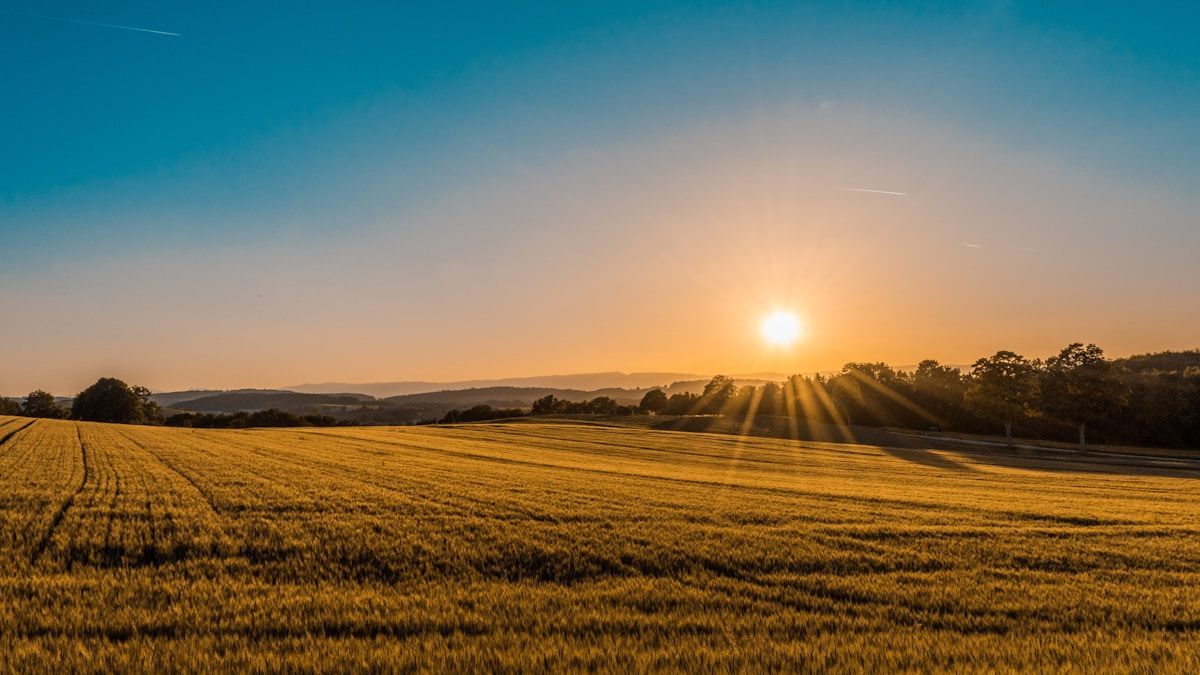
5:00 PM: Evening gathering. Sunsets from the farm are spectacular.
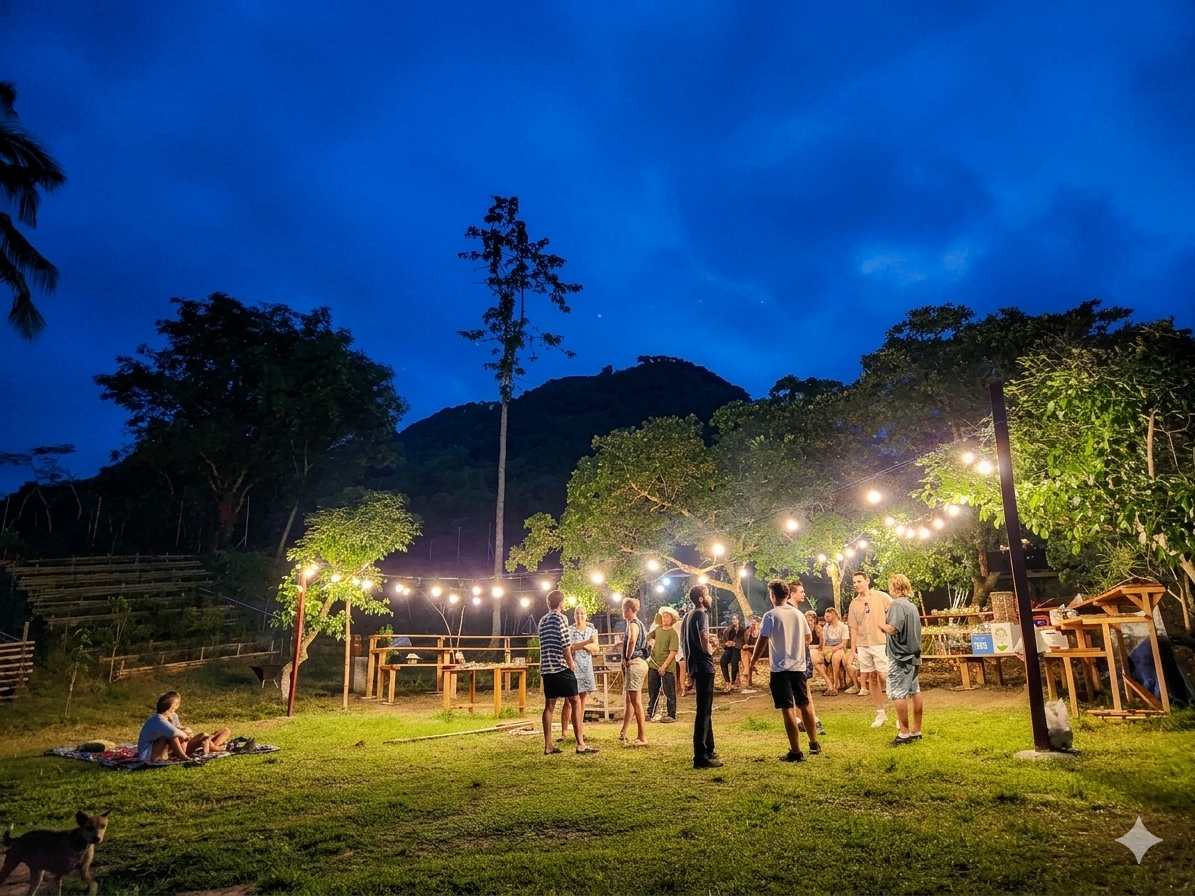
7:00 PM: Dinner, community activities, or personal time. Friday BBQ nights are highlights.
The schedule adjusts based on weather, projects, and personal energy. This isn't a rigid program — it's participatory living.
Who Thrives Here
Based on previous participants, certain profiles tend to get the most from farm-based learning in Indonesia:
Gap Year Students
If you're taking time between studies or before starting university, farm immersion provides structure without rigidity. You're learning and growing, but at a pace that allows processing and reflection.
Agriculture & Environmental Students
Textbook knowledge of sustainable farming becomes three-dimensional when you're actually doing it. Tropical systems teach principles applicable globally.
Hospitality Students Seeking Alternatives
Large hotel chains teach corporate hospitality. Farm stays teach genuine hospitality — the kind where you actually care about guests because you know them. Many students find this more valuable.
Creative Students Building Portfolios
Marketing, photography, and communications students leave with tangible work samples. The farm provides content; you provide the creative execution.
Career-Changers Exploring Options
Not every participant is 20 years old. Some are professionals exploring different directions. A month on a farm clarifies what matters more than any career counseling session.
Practical Considerations for Students
Duration
The minimum stay is 10 days, but most students find 3-4 weeks optimal for meaningful learning and cultural integration. Longer stays (1-2 months) allow deeper skill development.
Cost
The program costs €17 per day, covering:
- Private cabin accommodation
- Daily breakfast and lunch
- Access to all learning tracks
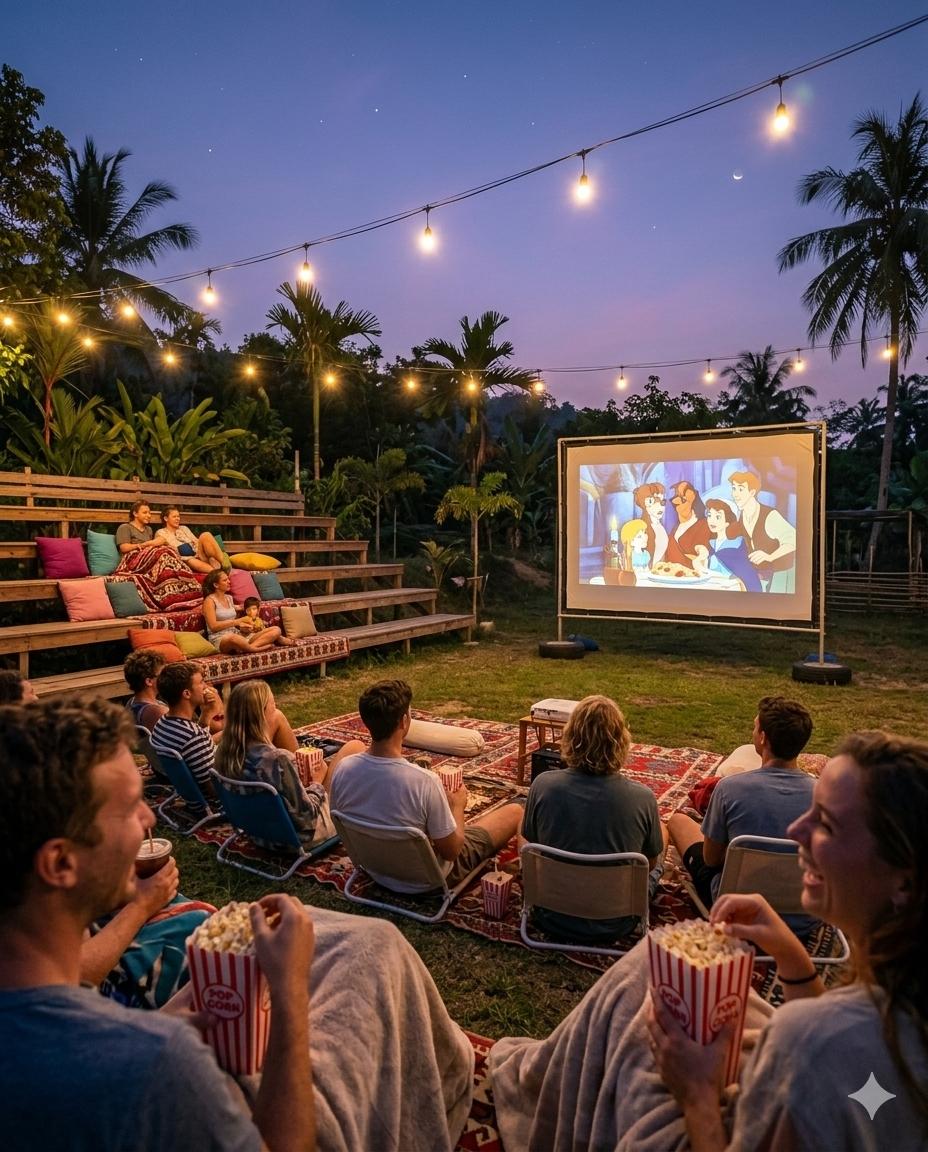
- Community events (BBQ nights, volleyball, cinema)
- Bikes, workspace, laundry
Compare this to unpaid corporate internships where you'd pay separately for housing, food, and transport. The farm model is often more economical.
Visa Requirements
Most nationalities receive 30-day visa-free entry to Indonesia, extendable to 60 days. For longer stays, various visa options exist. Research current requirements for your nationality before booking.
What to Bring
- Comfortable clothes for physical activity and tropical heat
- Closed-toe shoes for farm work
- Laptop if you're working remotely or in the Storyteller track
- Camera gear if you're serious about content creation
- Open mind and willingness to learn
Getting There
Lombok International Airport (LOP) receives direct flights from major Asian hubs. From the airport, Mawun Valley Farm is approximately 30 minutes by car. The farm can arrange airport pickup.
Student Testimonials
Previous participants have shared experiences that capture what makes this different:
"Ten days on the farm 🐐🐓🌾 Waking up every day to the rooster's calls, feeling the ground beneath my feet, learning Indonesian, learning about sustainability, animals, and nature. Trying new things like riding a motorbike or surfing, hiking mountains, getting blisters on my hands, feeding goats, playing football, meeting beautiful people… Just nature. The best detox ever." — Sara, Spain
"We spent 1 month here and couldn't be more happy. There's a strong sense of community. The meals were really good, the BBQ nights were delicious. We strongly recommend this farm!" — Mariana, Portugal
"From day one, I felt like part of the family. My cabin was super cute and cozy. The BBQ nights were the absolute highlight—so delicious! I'm already looking forward to visiting again." — Pame, Chile
How to Apply
The application process is straightforward:
- Visit the Stay & Contribute page
- Review the program tracks and find what resonates
- Complete the interest form with your background and dates
- Receive confirmation and pre-arrival information
- Book your flights and prepare for Indonesia
Applications are reviewed for fit rather than credentials. The farm wants participants who are genuinely curious and willing to engage — not necessarily those with the most impressive resumes.
Your Internship Alternative Awaits
Traditional internships have their place. But if you're seeking genuine cultural immersion, hands-on skill development, and an experience that shapes who you become rather than just what you've done — consider the farm.
Indonesia is waiting. Lombok is quieter than Bali but equally beautiful. Mawun Valley Farm offers structure without rigidity, learning without lectures, and community without pretense.
Your international experience doesn't have to happen in a corporate office. Sometimes the best classrooms have dirt floors and open skies.
Ready to explore farm-based learning in Indonesia? Visit our Stay & Contribute page to learn about program tracks and apply. Questions? Reach out via WhatsApp — we're happy to discuss how this might fit your academic and personal goals.
Experience Mawun Valley
Book your stay and discover the magic for yourself.