Hospitality Experience in Indonesia: Student Programs in Lombok
Hospitality degrees teach service theory. They cover hotel operations, event management, food and beverage, and customer psychology. What they can't fully teach is the feeling of making a stranger feel genuinely welcome — the intuition that separates adequate service from memorable hospitality.
For that, you need practice. And not practice in a corporate chain where service standards are scripted and guests are processed. You need practice somewhere small enough that individual guests matter, where their experience depends directly on your attention.
Indonesian farm stays offer this kind of learning. At operations like Mawun Valley Farm in Lombok, hospitality students gain hands-on experience in guest relations, event management, and the particular challenges of agritourism — a rapidly growing sector worldwide.
Why Indonesia for Hospitality Learning?
Indonesia's hospitality industry is massive and growing. Understanding why helps contextualize the learning opportunity.
Scale of Industry
Indonesia hosts over 15 million international visitors annually (pre-pandemic peak), with ambitious growth targets. The hospitality sector employs millions directly and influences countless more indirectly.
Range of Operations
From backpacker hostels to ultra-luxury resorts, from chain hotels to family-run guesthouses, Indonesian hospitality spans every segment. This variety creates diverse learning environments.
Cultural Hospitality
Indonesian culture emphasizes hospitality as core value. The concept of tamu (guest) carries deep cultural weight — guests receive genuine care, not just transactional service. Learning hospitality in Indonesia means absorbing these cultural attitudes.
Agritourism Growth
As travelers seek authentic experiences over generic tourism, agritourism grows rapidly. Farm stays, vineyard visits, and agricultural tourism combine hospitality with production — a skillset increasingly valuable globally.
Cost Advantage
Learning in Indonesia costs a fraction of equivalent programs in Western hospitality schools. Your budget enables longer stays and deeper immersion.
Farm Stay Hospitality: What's Different
Hotel hospitality and farm stay hospitality share foundations but differ significantly. Understanding these differences reveals what farm-based learning offers.
Guest Relationships
Hotels: High volume, brief interactions, standardized service.
Farm stays: Low volume, extended interactions, personalized service.
At Mawun Valley Farm, guests stay minimum 10 days — often longer. You know their names, their stories, their preferences. Service becomes relationship.
Service Flexibility
Hotels: Procedures exist for every situation. Follow the manual.
Farm stays: Every day presents new situations. Improvisation required.
When a guest needs something unusual, you problem-solve rather than escalate. This develops judgment that rigid environments don't.
Physical Environment
Hotels: Climate-controlled, predictable, maintained by specialized staff.
Farm stays: Weather-dependent, variable, everyone contributes to maintenance.
Understanding how environment affects guest experience — and adapting to conditions — builds capabilities hotel environments can mask.
Operational Integration
Hotels: Departments are separate. Reception doesn't cook.
Farm stays: Everyone does everything. Boundaries blur.
Seeing how all hospitality functions connect — front desk, housekeeping, food service, activities, maintenance — develops holistic understanding.
What You'll Learn at Mawun Valley Farm
The Caretaker track at Mawun Valley Farm focuses specifically on hospitality and guest relations, though all tracks include hospitality exposure.
Guest Relations Fundamentals
First Impressions: How to welcome new arrivals, help them settle, and establish comfort. The first hour shapes the entire stay.
Anticipatory Service: Noticing what guests need before they ask. Reading body language, remembering preferences, creating personalized experiences.
Problem Resolution: When things go wrong — and they will — how to respond with genuine care rather than defensive excuses.
Cultural Navigation: Working with guests from diverse backgrounds. Understanding different communication styles and expectations.
Departure Experience: Endings matter as much as beginnings. How to close stays in ways that generate return visits and referrals.
Event Management
The farm hosts regular events that require planning and execution:
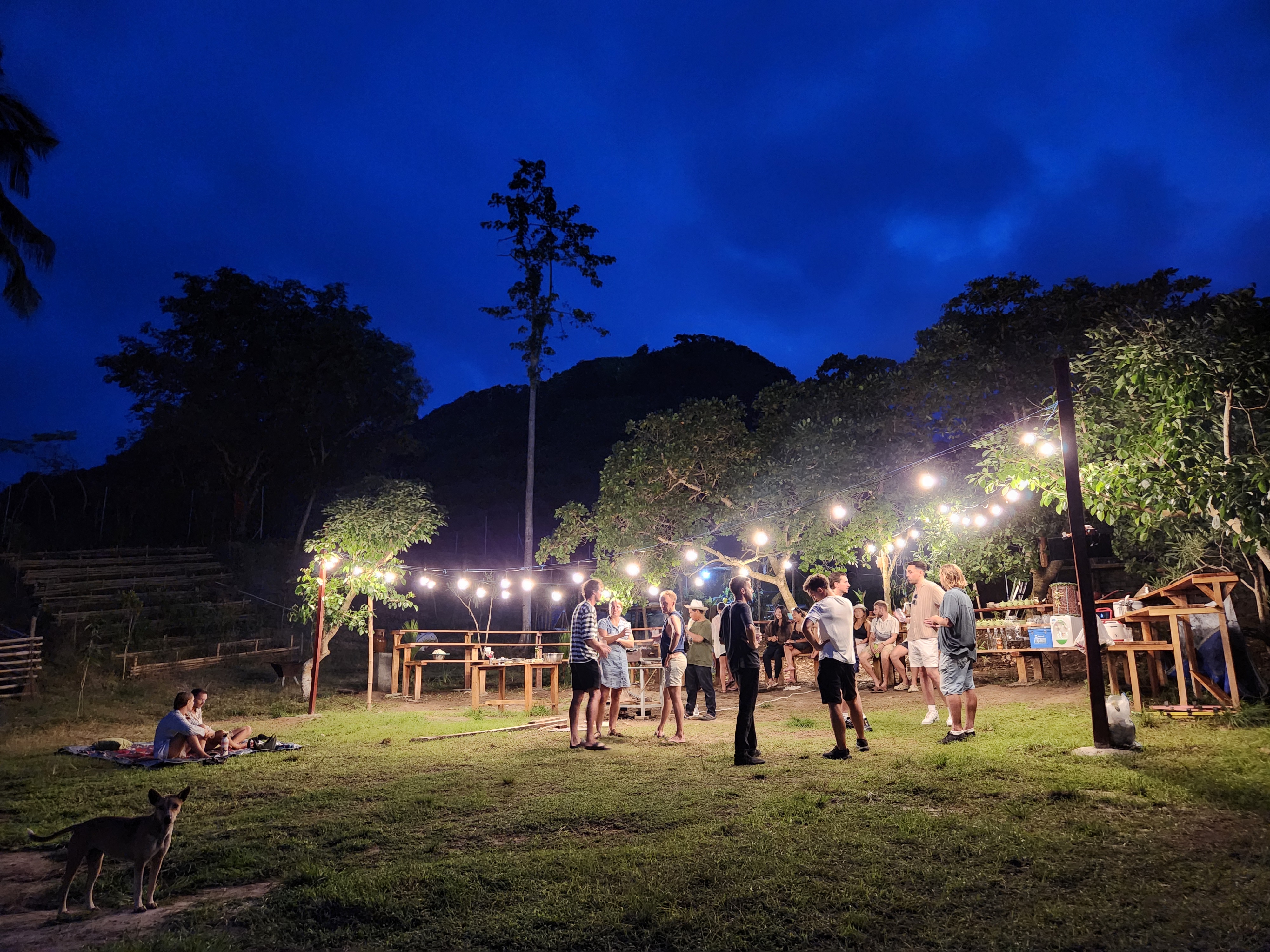
Friday BBQ Nights: Weekly events for guests and outside visitors. Menu planning, preparation, atmosphere creation, service flow, cleanup.
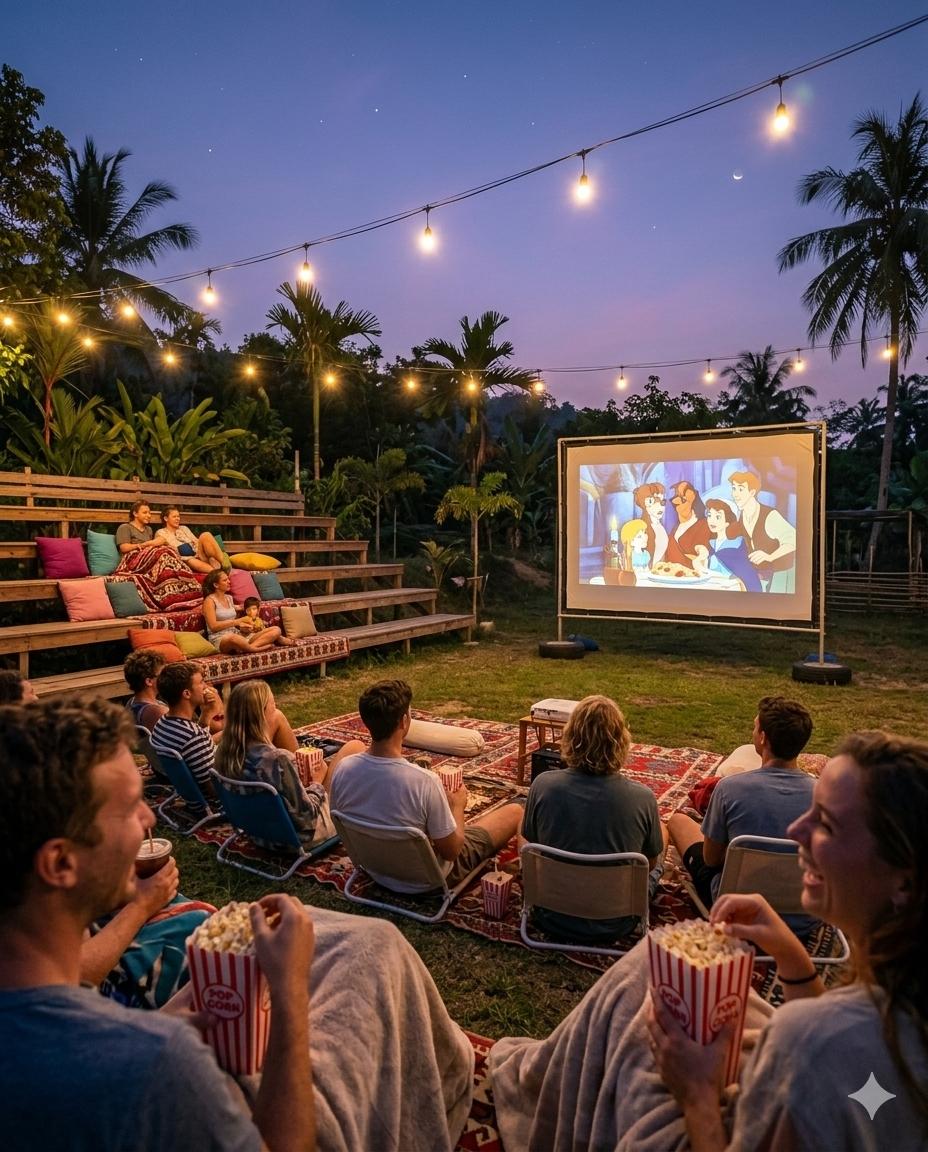
Wednesday Cinema Nights: Outdoor movie screenings with limited capacity. Technical setup, hospitality details, weather contingencies.
Thursday Volleyball: Community sports events mixing guests with locals. Organization, inclusion, energy management.
Cooking Classes: Structured experiences combining instruction with hospitality. Managing participants with varying skill levels and expectations.
Private Events: Birthday celebrations, small retreats, custom gatherings. Client communication, customization, execution.
Food and Beverage Operations
Noni's Farm Café provides practical F&B learning:
Kitchen Operations: Food preparation with fresh, seasonal ingredients. Adapting menus to availability.
Service Execution: Taking orders, managing timing, handling dietary requirements, presenting dishes.
Inventory Management: Working with limited storage in tropical conditions. Understanding waste and efficiency.
Cost Control: Farm-to-table pricing, portion management, balancing quality with sustainability.
Housekeeping and Facilities
Cabin maintenance provides practical understanding:
Turnover Procedures: Cleaning, preparing, and checking accommodations between guests.
Maintenance Awareness: Identifying issues before they become problems. Basic repairs and when to escalate.
Sustainability Practices: Water conservation, waste management, energy efficiency in tropical settings.
Aesthetic Attention: Details that elevate experience — flowers, presentation, small touches.
Agritourism: The Growing Sector
Agritourism — where agriculture and tourism intersect — represents one of hospitality's fastest-growing segments. Farm stay experience positions you for this expanding market.
Why Agritourism Is Growing
Authenticity Seeking: Travelers increasingly want "real" experiences over manufactured tourism. Farms deliver genuine contact with food, land, and production.
Wellness Trends: Nature connection, clean food, and physical activity align with wellness priorities. Farms offer these naturally.
Family Appeal: Multigenerational travel finds common ground on farms. Kids engage with animals; adults appreciate the setting.
Sustainability Consciousness: Environmental awareness drives interest in sustainable food systems. Agritourism combines ethics with experience.
Instagram Economy: Farms provide photogenic content — animals, landscapes, artisanal production. Guests create marketing through sharing.
What Agritourism Hospitality Requires
Product Knowledge: Understanding what the farm produces, how it works, and why it matters. Guests have questions; you need answers.
Activity Facilitation: Leading tours, supervising animal interactions, guiding hands-on experiences. Education and entertainment combined.
Safety Management: Farms include hazards (animals, tools, uneven terrain). Guest safety requires constant awareness.
Authenticity Maintenance: Balancing tourist comfort with genuine farm operations. Not staging "farm experience" but integrating guests into real work.
Storytelling: Connecting guests with the farm's narrative — history, philosophy, people, products. Stories transform visits into memories.
Practical Skills Development
Beyond conceptual understanding, farm hospitality develops specific capabilities:
Communication
Multi-Language Exposure: Guests come from everywhere. Basic Indonesian with staff, English with most guests, exposure to numerous languages and accents.
Clear Instruction: Explaining activities, directions, or procedures to guests with varying familiarity and attention.
Conflict Navigation: When misunderstandings arise, resolving them without escalation.
Problem-Solving
Resource Constraints: Making excellent experiences with limited budgets and materials.
Weather Adaptation: When rain disrupts plans, creating alternatives on the fly.
Supply Variability: When expected ingredients aren't available, adjusting without compromising quality.
Physical Capability
Sustained Energy: Hospitality is physical. Long days on your feet build stamina.
Manual Tasks: Carrying, lifting, setting up — basic physical tasks are constant.
Heat Management: Working in tropical conditions while maintaining positive demeanor.
Emotional Intelligence
Reading Moods: Understanding when guests want engagement versus privacy.
Managing Energy: Your emotional state affects every interaction. Learning to regulate.
Authentic Care: Moving beyond service performance to genuine concern for guest wellbeing.
Comparison with Corporate Hospitality Training
How does farm-based learning compare with traditional hospitality placements?
Corporate Hotel Placement
Pros:
- Brand recognition on resume
- Standardized training
- Exposure to large operations
- Clear hierarchy and advancement
Cons:
- Often relegated to single department
- Limited guest interaction
- Scripted service delivery
- Little creativity or autonomy
Farm Stay Learning
Pros:
- Holistic exposure across all functions
- Deep guest relationships
- Improvisation required
- Direct impact visible
Cons:
- No recognizable brand name
- Less standardization
- Smaller scale
- Informal structure
The ideal hospitality education includes both — corporate for systems understanding, farm for service intuition.
Duration Recommendations for Students
Learning depth correlates with time invested:
2-3 Weeks: Exposure
Sufficient to understand operations, participate across functions, and experience guest interactions. You'll leave with context but limited proficiency.
1-2 Months: Capability
Long enough to handle responsibilities independently, make meaningful contributions, and develop reliable skills. This duration fits most academic breaks.
3+ Months: Expertise
You'll become genuinely valuable to operations, potentially training newer participants, and building portfolio-worthy experience. Consider this for gap semesters or post-graduation.
Academic Credit Possibilities
Many hospitality programs recognize experiential learning. To maximize academic recognition:
Document Thoroughly: Keep logs of activities, responsibilities, and learning outcomes.
Define Objectives: Work with academic advisors to establish measurable goals before arrival.
Request Verification: The farm provides letters confirming participation and responsibilities.
Produce Reports: Written reflections demonstrating learning satisfy many credit requirements.
Create Portfolio: Photos, materials, and documentation demonstrate applied hospitality knowledge.
Consult your specific program about credit transfer requirements before enrolling.
Cost Comparison: Farm vs. Traditional Programs
| Program Type | Duration | Typical Cost |
|---|---|---|
| Hotel internship (unpaid) | 3 months | $4,000-8,000 (living costs) |
| Hospitality study abroad | 1 semester | $10,000-20,000 |
| Farm stay program | 2 months | ~$1,500 (all-inclusive) |
Farm-based learning costs dramatically less while providing hands-on experience corporate internships often don't.
Who Thrives in Farm Hospitality
Based on previous participants, certain profiles excel:
Service-Oriented Personalities: People who genuinely enjoy making others comfortable find farm hospitality natural.
Adaptability: Those comfortable with changing plans and improvised solutions thrive.
Physical Energy: Farm hospitality is active. People who prefer movement to desk work do well.
Cultural Curiosity: Interest in Indonesian culture enriches the experience beyond service skills.
Independence: Limited supervision suits self-starters better than those needing constant direction.
Testimonials from Hospitality Students
"From day one, I felt like part of the family. My cabin was super cute and cozy. The BBQ nights were the absolute highlight — so delicious! I'm already looking forward to visiting again." — Pame, Chile
"The wooden cabins are very cozy! From delicious BBQs and fun card games to movie nights and Noni's amazing baked treats, there is always something to enjoy." — Isabelle, Netherlands
"What an incredible little gem! The sweetest hosts, coolest guests, most delicious meals, and cutest animals. Make sure to stay for the Friday night BBQ! You won't find a more wholesome evening." — Boryan, Google Review
How to Apply
The Caretaker track welcomes hospitality students and anyone interested in guest relations. Requirements:
Duration: Minimum 10 days, 1-2 months recommended for substantial learning
Cost: €17 per day (includes accommodation, breakfast, lunch, events)
Experience: No prior hospitality experience required — enthusiasm matters more
Preparation: Basic research about the farm and Indonesian culture demonstrates serious interest
Application process:
- Visit Stay & Contribute
- Review track descriptions and choose your focus
- Complete interest form with your background and goals
- Receive confirmation and pre-arrival information
- Arrive ready to serve and learn
Your Hospitality Career Starts With Service
Every hospitality executive began somewhere. The question is whether you start with theory and add practice later, or start with practice and refine with theory.
Farm stay experience offers something increasingly rare: genuine service relationships, improvised problem-solving, and holistic operations exposure. These foundations support whatever hospitality direction you pursue.
Indonesia's growing tourism sector, Lombok's emerging destination status, and agritourism's global expansion make this learning particularly timely.
Your hospitality education should include making real guests genuinely happy. That's what Mawun Valley Farm offers.
Interested in hospitality experience in Indonesia? Visit our Stay & Contribute page to explore the Caretaker track. Your service career can begin where genuine hospitality thrives.
Experience Mawun Valley
Book your stay and discover the magic for yourself.