
You've made it to Lombok — beautiful beaches, affordable living, relaxed lifestyle. Now you're considering (or already committed to) homeschooling. Whether you're seasoned homeschoolers relocating or complete beginners taking the plunge, this guide covers what you need to know about homeschooling in South Lombok specifically.
Legal Basics
For Expat Families
Good news: Indonesia generally doesn't regulate homeschooling for foreign nationals. You're not truant — you're simply not enrolled in Indonesian schools, which is perfectly legal for non-citizens.
What you need:
- Valid visa for your family
- Records of your educational approach (for peace of mind)
- Compliance with your home country's requirements (if any)
Home country considerations:
- US citizens: Generally no reporting required while abroad
- UK citizens: No registration needed while overseas
- Australian citizens: Varies by state — check your state's requirements
- Other countries: Research your specific obligations
University pathway: If your child will apply to universities in your home country, research admission requirements early. Some countries want standardized tests; others accept portfolio-based applications.
For Indonesian Families
Indonesian homeschooling is legal but requires more documentation:
- Registration with local education office (Dinas Pendidikan)
- Following or documenting curriculum alignment
- Periodic assessment may be required
Consult with Indonesian homeschooling communities for current requirements.
Curriculum Options
Structured Approaches
Full online schools:
- Complete curriculum with teacher support
- Scheduled classes (consider time zones)
- Transcripts and diplomas provided
- Examples: International Virtual Learning Academy, Connections Academy
Boxed curriculum:
- All materials for a year, shipped to you
- Daily lesson plans provided
- Parent-taught, structured
- Examples: Sonlight, Bookshark, Build Your Library
Subject-specific:
- Math: Saxon, Singapore Math, Beast Academy
- Reading: All About Reading, Hooked on Phonics
- Writing: Brave Writer, Institute for Excellence in Writing
- Mix and match for customized approach
Flexible Approaches
Charlotte Mason:
- Living books, nature study, short lessons
- Particularly suited to Lombok's environment
- Nature journals, outdoor time built in
- Free or low-cost to implement
Unschooling:
- Child-led, interest-driven learning
- No formal curriculum
- Parent facilitates rather than teaches
- Strong in environments rich with real-world learning
Project-based:
- Learning through extended projects
- Cross-curricular integration
- Real-world application
- Highly engaging for hands-on kids
What Works in Lombok
Consider your environment:
- Nature study is easy here — use it
- Practical skills (cooking, building) are accessible
- Cultural learning through daily life
- Less access to libraries, museums (plan accordingly)
Internet reliability:
- Online programs work, but have offline backups
- Download lessons when connection is good
- Don't rely on live streaming exclusively
What we see working:
- Charlotte Mason with heavy nature focus
- Eclectic approach drawing from multiple sources
- Project-based with local themes
- Simple morning academics, afternoon exploration
Creating Structure
Daily Rhythm
What works for most Lombok homeschoolers:
Morning academic time (8-11 AM):
- Cooler hours
- Fresh minds
- Before play time disperses focus
Midday break (11 AM-3 PM):
- Hot hours
- Lunch, rest, free play
- Screen time if any
Afternoon exploration (3-6 PM):
- Cooler again
- Beach, farm, activities
- Social time with other kids
Weekly Rhythm
Dedicated days:
- Academic focus days (2-3 per week)
- Exploration/activity days (2-3 per week)
- One day fully "off"
Weekly commitments:
- Little Roots on Wednesdays (ages 6-7)
- Surf lessons, art class, or other regular activities
- Play dates with consistent families
Yearly Rhythm
Follow local seasons:
- Dry season (May-Oct): More outdoor time possible
- Wet season (Nov-Apr): Plan for afternoon rain
Create terms:
- 10-12 week terms with breaks
- Mirrors natural learning rhythms
- Prevents burnout
Finding Community
The Challenge
South Lombok's homeschool community is small and scattered. You can't assume you'll find twenty families doing exactly what you do.
The Opportunity
Small community = deeper connections. You might find 2-5 compatible families, and those relationships can be profound.
Where to Connect
Facebook groups:
- Search "Lombok homeschool" and "Lombok expat"
- Post introduction, ask about meetups
- Be specific about ages and location
Existing programs:
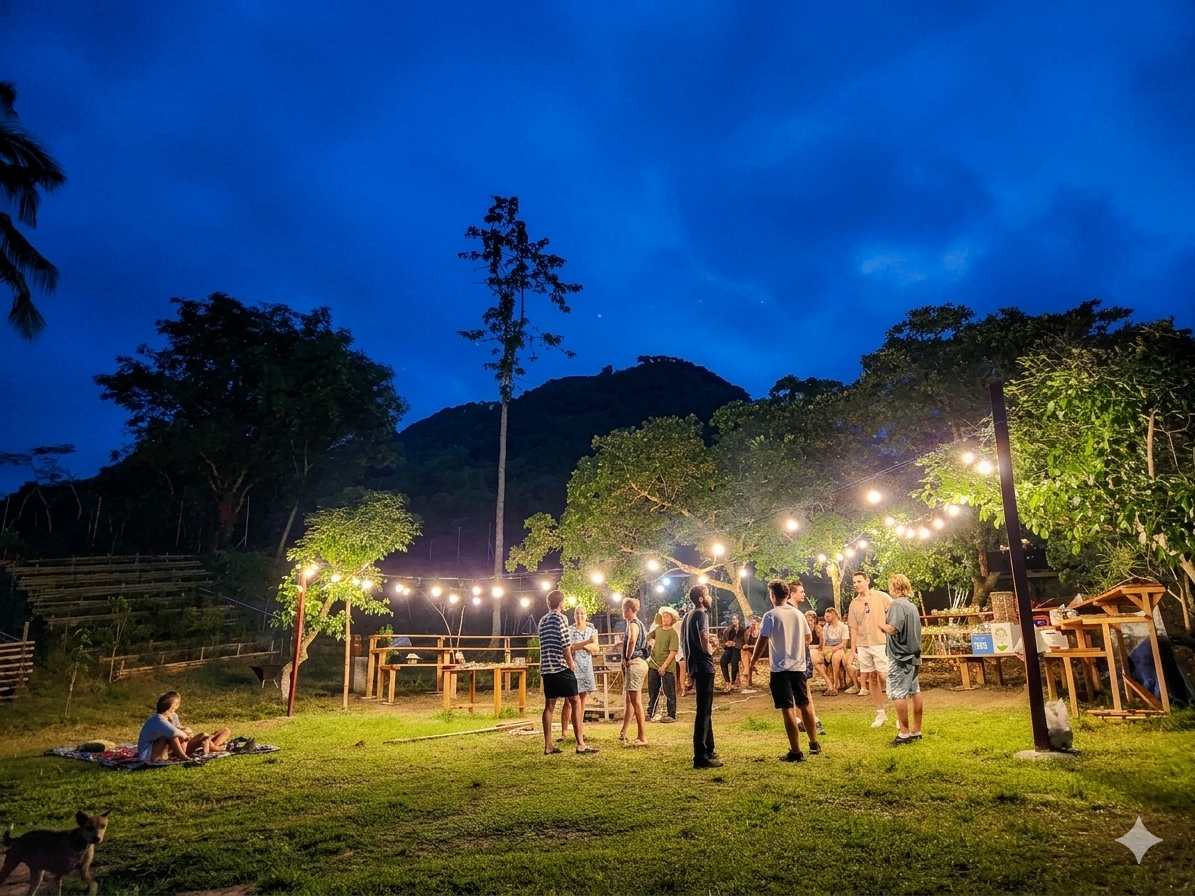
- Little Roots at Mawun Valley Farm
- Other family programs that emerge
- Surf schools, activity groups
Create your own:
- Don't wait for something to exist
- Identify 2-3 compatible families
- Propose regular gatherings
- Commit to consistency
What Little Roots Offers
Our weekly program was created specifically because community was missing:
- Same 6 children, every Wednesday
- 3-month commitment for real friendships
- Ages 6-7 (developmental compatibility)
- Mix of structured activities and free play
- Parents welcome to stay and connect
Learn more about Little Roots →
Practical Logistics
Materials and Supplies
Bringing vs. buying:
- Bring specialty curriculum and favorite books
- Basic supplies available in Mataram
- Online ordering works (Tokopedia, Shopee)
- Allow delivery time
What to bring from home:
- Core curriculum materials for the year
- Art supplies (specialty items)
- Science equipment if using
- Favorite books
What's available locally:
- Basic stationery
- Paper, notebooks
- Simple craft supplies
- Local library in Mataram (limited English)
Work Space
At home:
- Dedicate a learning space
- Good lighting, minimal distraction
- Materials organized and accessible
- Indoor space for hot/rainy hours
Outside home:
- Noni's Café at the farm (parents working while kids play)
- Beach (yes, really — for some activities)
- Outdoor areas of your property
Technology
Internet:
- Variable in South Lombok
- Have offline backup for curriculum
- Download content when connection is strong
Devices:
- Tablets/laptops for curriculum access
- Load content locally when possible
- Balance screen-based and physical learning
Common Concerns
"Am I Qualified?"
You don't need teaching credentials. You need:
- Commitment to your child's education
- Willingness to learn alongside them
- Access to resources (curriculum, community, internet)
- Patience and flexibility
Research shows parent education level matters less than engagement and consistency.
"What About Testing and Standards?"
Options:
- Standardized tests available online (for benchmarking)
- Portfolio-based assessment
- Ignore standards and focus on actual learning
- Depends on your goals and home country requirements
Reality: Many homeschoolers find their children exceed grade-level standards in areas of focus while taking longer in others. This is fine.
"What If I Mess Up?"
You won't damage your child by homeschooling imperfectly. The bar you're comparing against — traditional schooling — is also imperfect.
Children are resilient. Gaps can be filled. The fundamentals (reading, math, critical thinking, character) can be taught in many ways.
"Is This Legal Long-Term?"
For expats: Generally yes, though always confirm current regulations.
For Indonesians: Yes, with proper registration.
University admission: Research early if this is a goal. Many universities now accept homeschoolers with appropriate documentation.
Sample First Year
Months 1-2: Setup
Week 1-2:
- Deschool if coming from traditional school (just live, no curriculum)
- Observe your child's interests
- Research curriculum options
Week 3-4:
- Order/organize materials
- Set up learning space
- Establish basic daily rhythm
Week 5-8:
- Begin gentle academics (don't overdo it)
- Start one outside activity
- Find 1-2 other families
Months 3-6: Finding Rhythm
- Adjust daily schedule based on what works
- Add or remove activities as needed
- Deepen community connections
- Join Little Roots or similar programs
Months 7-12: Settling In
- You've found your groove (mostly)
- Academic progress visible
- Social connections established
- Lombok advantages integrated into learning
Making It Work Long-Term
Self-Care for Parents
Homeschooling is demanding. Prevent burnout:
- Schedule time off for yourself
- Connect with other homeschool parents
- Lower standards when needed
- Remember why you chose this
Flexibility
What works at age 6 may not work at age 10. Be willing to:
- Change curriculum
- Adjust schedule
- Shift approach
- Re-evaluate goals
Community Investment
Your homeschool experience is better when community is strong. Invest in:
- Consistent participation in programs
- Hosting other families
- Supporting other homeschoolers
- Contributing to shared activities
Getting Started Checklist
Legal: ☐ Confirm visa status allows homeschooling ☐ Check home country requirements ☐ Research Indonesian regulations if applicable
Curriculum: ☐ Decide on approach (structured vs. flexible) ☐ Choose core materials ☐ Order/download what you need
Space: ☐ Designate learning area at home ☐ Organize materials accessibly
Community: ☐ Join relevant Facebook groups ☐ Reach out to potential families ☐ Explore programs like Little Roots
Rhythm: ☐ Plan daily schedule (loosely) ☐ Identify weekly activities ☐ Build in flexibility
Resources
Programs in South Lombok
- Weekly homeschool circle
- Ages 6-7, max 6 children
- Every Wednesday at Mawun Valley Farm
- Sports, creativity, farm, nature
- Learn more →
Online Resources
- Secular homeschool curriculum reviews: Cathy Duffy Reviews
- Charlotte Mason guidance: Simply Charlotte Mason
- Unschooling: John Holt's writings, Sandra Dodd's website
- General: Simple Homeschool, Brave Writer blog
Books Worth Reading
- The Well-Trained Mind (classical approach)
- The Brave Learner by Julie Bogart
- Free to Learn by Peter Gray
- How Children Learn by John Holt
Ready to connect with Lombok's homeschool community? Little Roots welcomes families looking for consistent, quality social time. Learn more →
Related: Little Roots Program | Homeschool Socialization | Outdoor Education

Experience Mawun Valley
Book your stay and discover the magic for yourself.